
Get in touch Navigate the site

What is crossdocking?

Cross-docking is a logistics method in which goods are transferred directly from incoming shipments to outgoing transportation with minimal or no storage in between. By reducing the time products spend in storage, businesses can create faster workflows, more efficient distribution and lower handling costs. For companies with high volumes or demanding delivery requirements, cross-docking can be an effective way to optimise logistics operations and improve delivery accuracy.

At the same time, cross-docking places high demands on planning, coordination and communication between suppliers, carriers and warehouse operations. When the processes work as intended, the method can contribute to a more cost-effective and flexible logistics flow that creates value for both businesses and customers.


How does cross-docking work in practice?

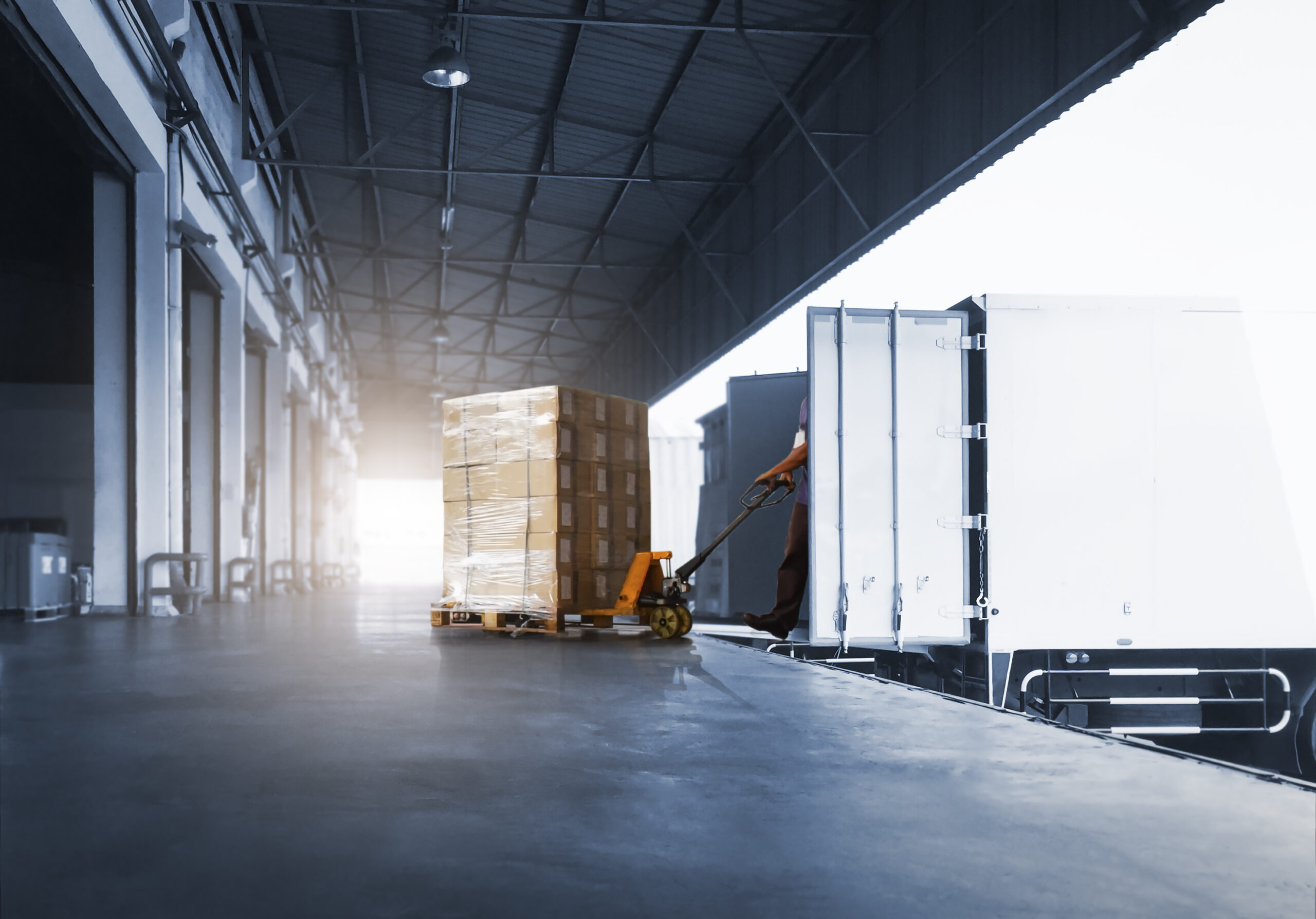
Cross-docking is based on receiving, sorting and forwarding goods without storing them for any significant period of time. Instead of being placed in storage, the goods are transferred directly from incoming shipments to outgoing vehicles that will deliver them to customers, stores or distribution centres.

For the process to work efficiently, careful planning and close coordination between suppliers, carriers and logistics partners are required. When the right systems and procedures are in place, cross-docking can reduce lead times, streamline handling and create a faster flow throughout the entire supply chain. The method is often used when delivery times are critical and when companies want to reduce the need for warehousing while keeping goods moving efficiently through the logistics chain.

Faster product flows

By transferring goods directly between incoming and outgoing shipments, lead times can be reduced and deliveries can reach their destination more quickly.

Reduced warehousing costs

Cross-docking reduces the need for long-term storage, which can help lower costs associated with warehouse space, handling and administration.

More efficient handling

Fewer handling steps reduce the risk of picking errors, misrouting and damage to goods while making logistics operations more efficient.

What are the benefits of cross-docking?

Cross-docking can offer several benefits for companies looking to streamline their logistics operations. By reducing the amount of time goods spend in storage, products can be moved more quickly to their next destination. This helps shorten lead times and makes it easier to meet customer expectations for fast deliveries.

Because the goods are handled fewer times, the risk of damage, misrouting and other errors that can occur during the warehousing process is also reduced. At the same time, companies can lower their warehousing costs and make more efficient use of their resources. For businesses with large product volumes or high demands on delivery accuracy, cross-docking can therefore be a valuable tool for creating a more cost-effective logistics operation.

Another benefit is that less capital is tied up in inventory, as goods do not need to be stored for extended periods. This can give businesses better control over their resources while creating greater flexibility within the supply chain. For companies handling large volumes of goods, this can contribute to both more efficient processes and improved profitability.

When is cross-docking most suitable?

Cross-docking is particularly well suited for companies that handle high-turnover products or goods that need to be transported quickly to customers and retailers. The method is commonly used in retail, e-commerce, wholesale operations and distribution, where fast-moving product flows are an important part of the business.

Companies looking to reduce their need for warehouse space can also benefit from cross-docking. By allowing goods to move through the logistics chain without extended storage, businesses can create more efficient workflows while reducing the amount of capital tied up in inventory. This can contribute to greater flexibility and better control over logistics costs.

Cross-docking is also a common solution when multiple suppliers are shipping goods to the same recipient. By consolidating goods along the way, transportation can be streamlined and the number of deliveries reduced. This can lead to both time savings and lower transportation costs while making logistics operations easier to manage and oversee.

What is required for cross-docking to work effectively?

For cross-docking to operate efficiently, careful planning and coordination between all parties in the supply chain are essential. Deliveries must arrive at the right time, and outgoing transportation needs to be scheduled so that goods can be quickly transferred and sent on to their next destination.

Digital systems often play an important role by providing better visibility into incoming and outgoing goods. When information flows efficiently between suppliers, carriers and logistics partners, it becomes easier to coordinate operations and avoid delays. A well-organised process is essential for achieving the time and cost savings that cross-docking can offer.

To achieve the best possible results, it is also important to have access to the right resources and expertise. Experienced personnel, well-planned terminals and efficient transportation solutions make it easier to handle large volumes and ensure that goods continue through the supply chain without unnecessary disruptions.

Cross-docking as part of modern logistics

As the demand for faster deliveries and more efficient logistics continues to grow, cross-docking is becoming an increasingly important part of many companies’ logistics strategies. By reducing unnecessary warehousing and creating faster product flows, businesses can improve both delivery performance and cost efficiency.

For businesses looking to optimise their transportation processes and reduce lead times, cross-docking can be an effective complement to other logistics solutions. With the right planning, resources and business partners in place, it creates the conditions for a smooth logistics flow that supports both day-to-day operations and future growth.

As customer expectations for fast deliveries continue to increase, more and more companies are looking for ways to streamline their logistics operations. Cross-docking can be an important part of this effort by reducing unnecessary warehousing and enabling faster transportation. For businesses looking to strengthen their competitive position, the method can contribute to both improved service levels and lower logistics costs.

FAQ

What does cross-docking involve?

Cross-docking is a logistics method in which goods are transferred directly from incoming shipments to outgoing transportation without being stored for any significant period of time. The goal is to reduce handling time and ensure that goods reach their destination as quickly and efficiently as possible.

By minimising the amount of time goods spend in storage, companies can create faster flows throughout the supply chain. The method is often used when delivery times are critical and when businesses want to reduce their warehousing costs.

What are the benefits of cross-docking?

One of the main benefits of cross-docking is the reduced need for warehousing. This can lead to lower storage costs, faster deliveries and fewer handling steps. At the same time, companies can create more efficient logistics flows and improve delivery accuracy.

Because the goods are handled fewer times, the risk of damage, misrouting and other handling errors is also reduced. This can contribute to greater delivery accuracy and a more cost-effective logistics operation.

What types of companies can use cross-docking?

Cross-docking is used across a wide range of industries, particularly by companies that handle large volumes of goods or have high demands for fast deliveries. The method is commonly used in e-commerce, retail, wholesale operations and distribution.

The method is particularly useful for companies that handle high-turnover products or need to move goods onward without extended storage. Cross-docking can be adapted to suit different business needs and logistics flows.

When is cross-docking most suitable?

Cross-docking is particularly well suited for situations where goods need to be moved quickly without extended storage. It can be an effective solution for companies looking to reduce warehousing costs, shorten lead times and create a more flexible logistics flow.

The method is also well suited for companies that handle large volumes of goods or need to coordinate deliveries from multiple suppliers. With the right planning, cross-docking can contribute to faster flows throughout the supply chain and create a more efficient logistics operation.