
Get in touch Navigate the site

What is a dark store?

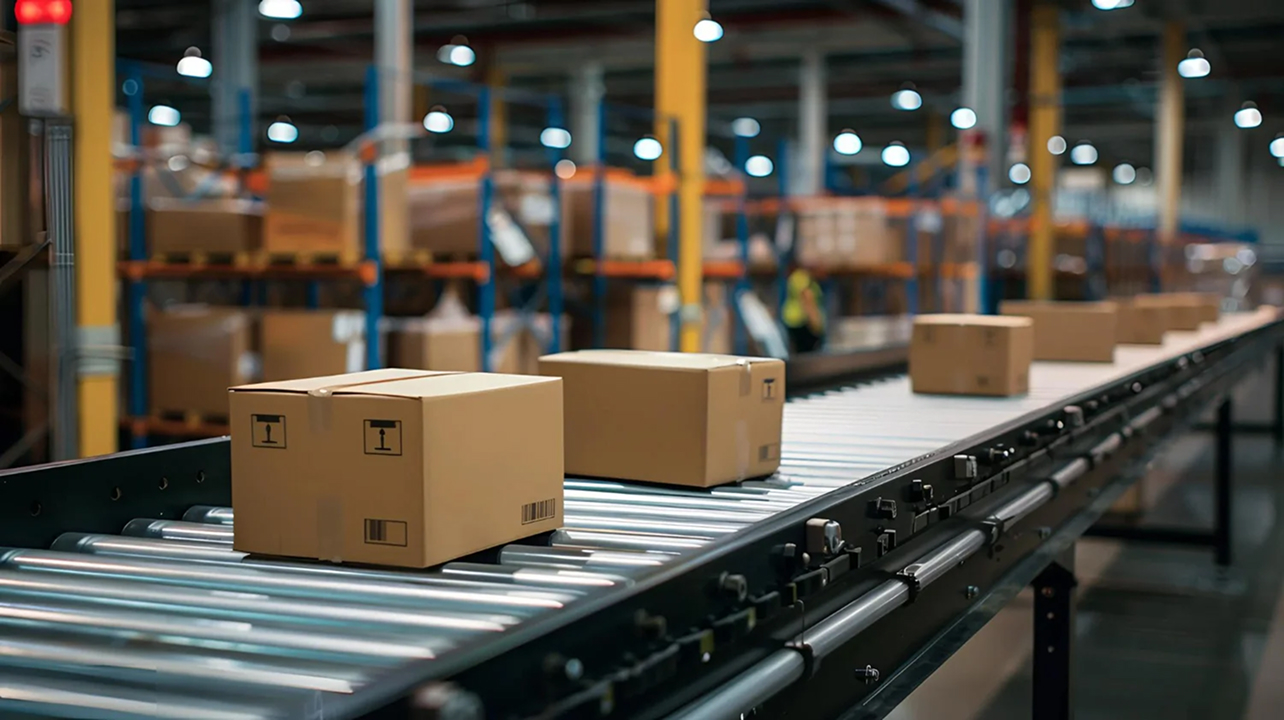
A dark store is a warehouse facility or distribution unit designed to handle e-commerce orders. Unlike a traditional retail store, a dark store is typically not open to the public. Instead, it is used to pick, pack and distribute products that have been ordered online.

As e-commerce continues to grow, dark stores have become an important part of many companies’ logistics strategies. By creating efficient processes for order handling and distribution, businesses can reduce delivery times, improve capacity and meet customer expectations for fast and convenient deliveries.

How does a dark store work in practice?

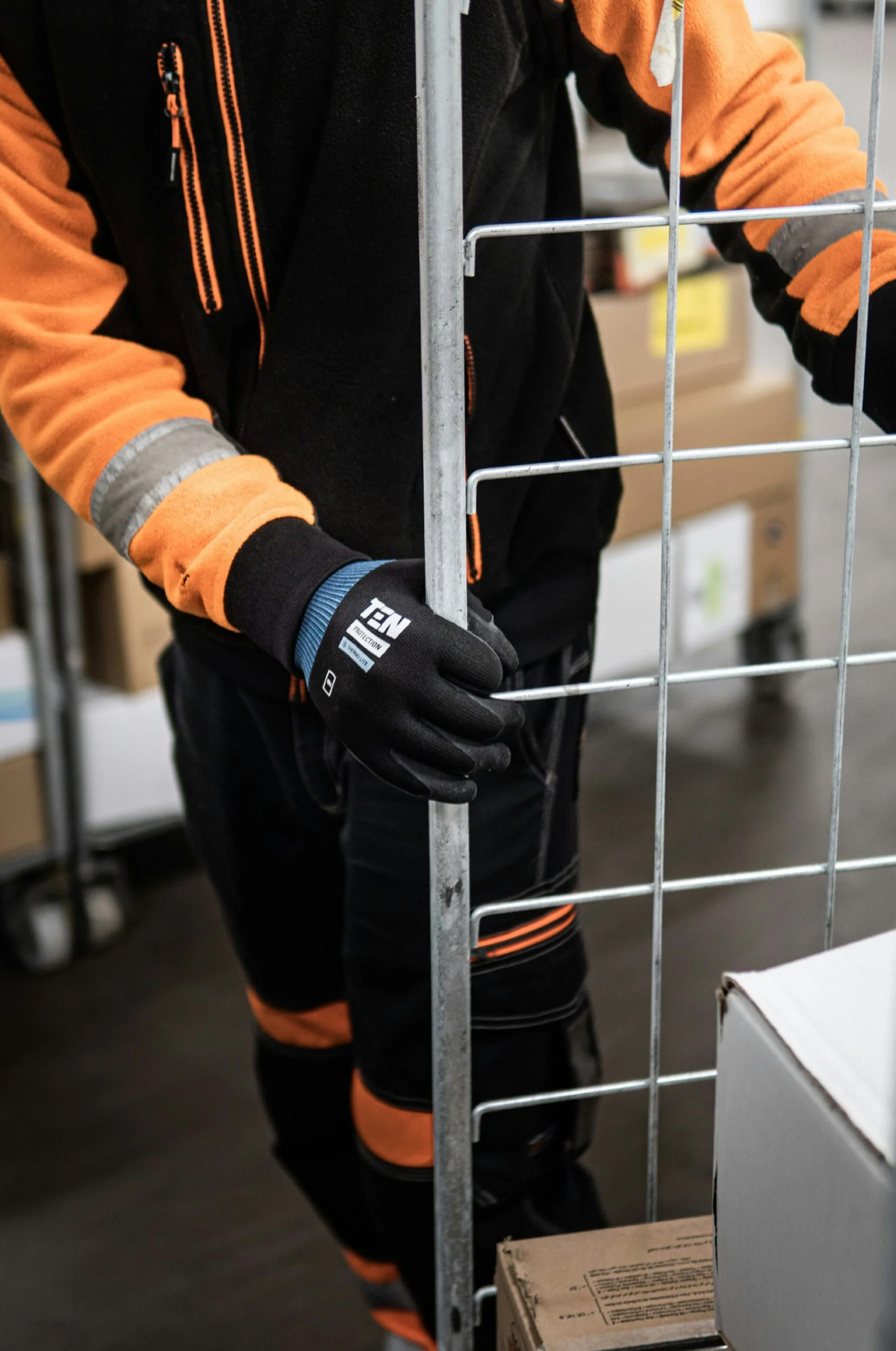
A dark store operates as a warehouse that is optimised for e-commerce orders. When a customer places an order online, it is sent to the facility where the products are picked, packed and prepared for delivery or collection. Since the operation does not need to accommodate traditional retail customers, processes can be designed to maximise efficiency and handle large order volumes.

For businesses, this often results in faster order processing and better control over logistics operations. By combining warehousing, picking and distribution in a single location, it becomes easier to create efficient workflows that support both business growth and increasing demands for faster deliveries. Today, dark stores are used across a range of industries, particularly in grocery retail, retail and e-commerce, where fast delivery is an important competitive advantage.

Faster order processing

Dark stores are designed to streamline picking, packing and distribution. This allows orders to be processed more quickly and dispatched without unnecessary delays.

More efficient use of warehouse space

Because the facility is designed for logistics operations rather than in-store retail, warehouse space can be utilised more efficiently. This provides better control over products and the flow of goods.

Better support for e-commerce operations

By separating e-commerce logistics from traditional retail stores, businesses can handle increasing order volumes while continuing to meet customer expectations for fast deliveries.

Why do companies use dark stores?

More and more companies are investing in dark stores to meet the growing demand for e-commerce and faster deliveries. As the number of online orders increases, it can become challenging to manage both in-store customers and e-commerce orders from the same location. By creating a dedicated facility for order fulfilment, businesses can streamline logistics operations and improve capacity.

For many businesses, this means that staff can focus on picking, packing and distribution without being affected by day-to-day retail operations. The result is often faster order processing, better inventory control and more efficient workflows throughout the supply chain.

Dark stores are therefore used not only to handle current order volumes but also to create the conditions for future growth. As e-commerce continues to evolve, this solution can help businesses maintain both operational efficiency and delivery performance.

Which businesses can benefit from a dark store?

Dark stores are used across a variety of industries, but they are particularly common in retail, grocery retail and e-commerce. Businesses that handle large numbers of online orders can use the model to create faster and more efficient delivery flows.

The solution is often well suited to businesses that want to offer home delivery, click-and-collect services or same-day delivery. By centralising order fulfilment in a dedicated facility, it becomes easier to organise operations and meet customer expectations for availability and service.

Even businesses looking to expand their e-commerce operations can benefit from dark stores. As order volumes increase, they provide better opportunities to scale the business without negatively affecting day-to-day retail operations.

What is the difference between a dark store and a traditional warehouse?

Both dark stores and traditional warehouses are used to store and manage products, but they are designed for different purposes. A traditional warehouse often focuses on larger flows of goods between suppliers, distribution centres and retailers.

A dark store, on the other hand, is designed to handle individual customer orders from e-commerce operations. Its layout, workflows and technology are often optimised for the fast picking and packing of smaller orders that are shipped directly to the end customer.

This means that dark stores can often offer shorter lead times and greater efficiency in e-commerce distribution. For businesses with high online order volumes, this can be an important competitive advantage.

Dark stores as part of the future of logistics

As e-commerce continues to grow, the need for efficient order fulfilment and distribution solutions is also increasing. Dark stores have become a way for businesses to meet customer expectations for fast deliveries while managing logistics operations more efficiently.

By combining warehousing, picking and distribution in a facility designed specifically for e-commerce, businesses can create faster workflows and gain better control over their deliveries. This becomes especially important as competition increases and customers place higher demands on delivery times and availability.

For many businesses, dark stores are therefore not only a logistics solution but also an investment in future growth. With the right processes, technology and planning in place, the model can contribute to a more flexible and scalable operation that is well prepared for the future of commerce.

FAQ

What does a dark store involve?

A dark store is a warehouse facility designed for e-commerce and order fulfilment. Unlike a traditional retail store, it is typically not open to the public but is instead used to pick, pack and distribute products that have been ordered online.

What are the benefits of a dark store?

A dark store can contribute to faster order processing, more efficient use of warehouse space and shorter delivery times. By optimising operations for e-commerce, businesses can handle larger order volumes and create more efficient logistics flows.

What is the difference between a dark store and a traditional retail store?

A traditional retail store is designed for customers to visit and shop in person, whereas a dark store is primarily used to fulfil online orders. The focus is on warehousing, picking and distribution rather than the in-store customer experience.

When is a dark store most beneficial?

A dark store is particularly beneficial for businesses with high e-commerce sales volumes or for companies looking to offer faster deliveries and more efficient order fulfilment. The model is often used when traditional retail stores are no longer able to efficiently handle growing volumes of online orders.