
Get in touch Navigate the site

What is dropshipping?

Dropshipping is a business model in which products are sold without the retailer having to stock the goods themselves. When a customer places an order, it is forwarded to a supplier or distributor who is responsible for warehousing, packing and delivering the product directly to the customer. This makes it possible to start and run an e-commerce business without investing in inventory or managing logistics in-house.

For many businesses and entrepreneurs, dropshipping is a flexible way to get started with online sales. At the same time, the model requires choosing the right suppliers, creating a positive customer experience and ensuring that deliveries and product quality meet high standards. With the right setup, dropshipping can be a cost-effective way to build and grow a business.

How does dropshipping work in practice?

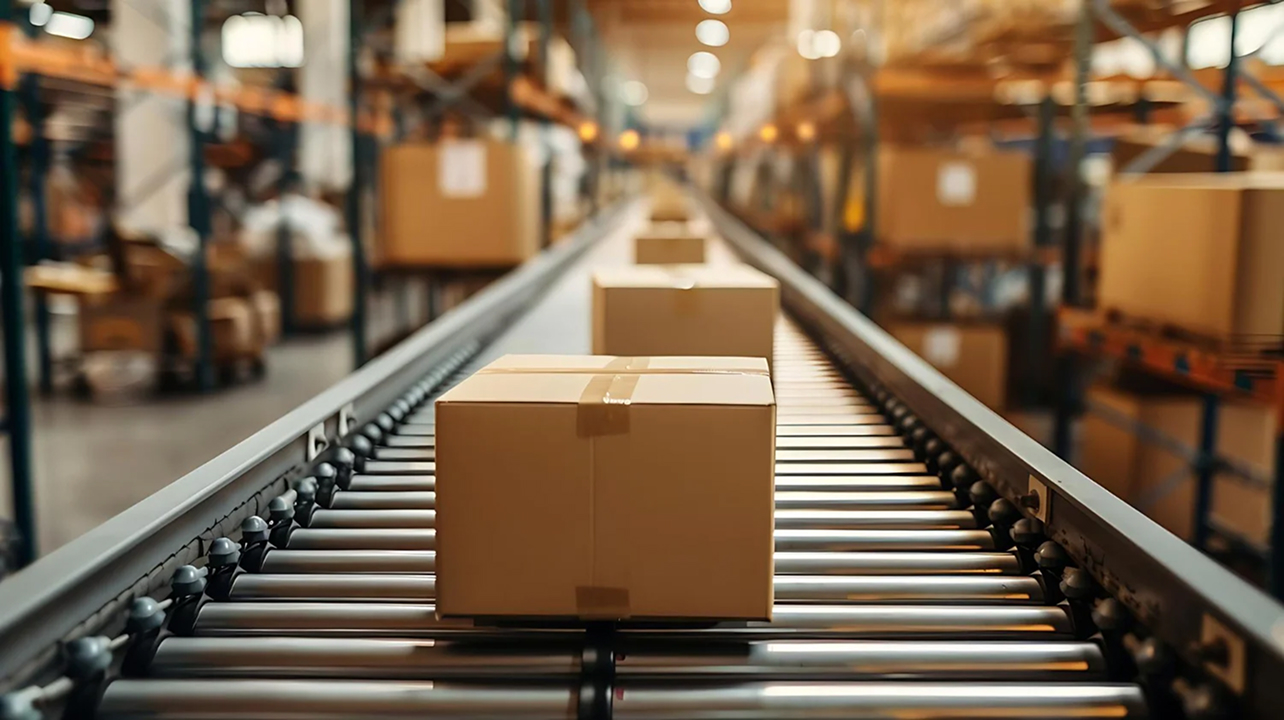
Dropshipping is based on the retailer focusing on sales and customer relationships while the supplier is responsible for warehousing, packing and delivering the products. When a customer places an order in the online store, the order information is forwarded to the supplier, who then picks, packs and ships the product directly to the customer.

For many businesses, this means that operations can be started and run without investing in warehouse facilities or large product purchases. At the same time, it is important to establish efficient routines for order management, customer service and communication with suppliers. When the collaboration works well, dropshipping can create a smooth workflow that makes it easier to focus on marketing, sales and business growth.

In practice, this means that several different parties work together to ensure that the order reaches the end customer. The customer places an order through the online store, the supplier handles the product, and the carrier is responsible for delivery. When information flows efficiently between all parties, customers can enjoy a smooth purchasing experience even though the retailer never physically handles the product.

Low start-up costs

Dropshipping makes it possible to start selling products without investing in inventory or making large upfront product purchases. This reduces financial risk and makes it easier to get started with e-commerce.

Flexible product range

Because the supplier is responsible for product handling, the product range can easily be adapted to meet demand. New products can be added without the business having to tie up capital in inventory.

Less administration

The supplier is responsible for warehousing, packing and deliveries, which reduces the administrative workload. This gives businesses more time to focus on sales, marketing and customer service.

What should you consider when using dropshipping?

Dropshipping can be an easy way to get started with e-commerce, but it also means that parts of the customer experience are in the hands of the supplier. If deliveries are delayed, products are out of stock or the quality does not meet customer expectations, it is still your business that customers will turn to.

Therefore, it is important to choose suppliers carefully and establish clear procedures for handling customer enquiries and support cases. The better insight you have into your supplier’s processes and operations, the easier it becomes to create a positive customer experience and build trust in your brand.

How do you choose the right supplier?

The choice of supplier is one of the most important factors in a successful dropshipping business. The supplier is not only responsible for shipping the products but also has a direct impact on delivery times, product quality and how customers perceive your company.

Before choosing a supplier, it is wise to evaluate factors such as delivery terms, communication and product range. Many businesses also choose to order products themselves to gain a better understanding of product quality and the overall delivery experience. A reliable supplier can make a significant difference to both customer satisfaction and long-term profitability.

It can also be valuable to review how the supplier handles returns, claims and customer enquiries. These aspects often have just as much impact on the customer experience as the delivery itself. A supplier with well-structured processes and clear procedures can help strengthen trust in your brand.

Who is dropshipping suitable for?

Dropshipping is suitable for many different types of businesses and entrepreneurs. For some, it is a way to test a business idea without investing in inventory or premises. For others, it provides an opportunity to expand their product range or sell products in new markets without taking on significant financial risk.

The model is often used by start-up e-commerce businesses, companies with limited start-up capital and entrepreneurs who want to build a business step by step. Since the initial investment is often lower than in traditional retail, it becomes easier to get started and grow the business at your own pace.

At the same time, the model is not suitable for every business. Companies that want full control over inventory, deliveries and the overall product experience sometimes choose other solutions. For this reason, it is important to evaluate the advantages and limitations of the business model based on your company’s goals and your customers’ expectations.

Dropshipping as part of modern e-commerce

As e-commerce continues to grow, more and more businesses are choosing to use dropshipping as part of their sales strategy. The business model makes it possible to offer a wide product range without having to manage warehousing and day-to-day logistics in-house.

However, success requires more than just an online store and a supplier. Clear communication, strong customer service and a well-planned product range are often essential for building long-term customer relationships. When dropshipping is combined with the right suppliers and a clear business concept, it can be an effective way to build and grow an e-commerce business over time.

FAQ

What does dropshipping involve?

Dropshipping is a business model in which a retailer sells products without keeping them in stock. When a customer places an order, it is forwarded to a supplier who is responsible for warehousing, packing and delivering the product directly to the customer. This makes it possible to sell products without investing in your own inventory.

The business model is commonly used in e-commerce because it reduces the need for large investments in inventory and logistics. This makes it possible to start selling more quickly and with lower financial risk.

Do you need your own inventory for dropshipping?

No, one of the main advantages of dropshipping is that you do not need to maintain your own inventory. The supplier is responsible for storing and shipping the products when an order is placed. However, some businesses choose to keep a small buffer stock or use a separate solution for handling returns, depending on their specific needs.

What are the benefits of dropshipping?

Dropshipping makes it possible to start selling with lower initial costs because you do not need to purchase or store products in advance. The model also offers a high degree of flexibility when it comes to product range, as new products can be added without affecting storage capacity. For many businesses, it provides an easier way to get started with e-commerce.

Who is dropshipping suitable for?

Dropshipping is suitable for entrepreneurs, e-commerce businesses and companies that want to sell products without managing inventory and logistics themselves. The model can be particularly attractive for start-ups, businesses with limited start-up capital, or companies looking to test new products and markets with lower financial risk.

The model is also used by companies that want to test new product categories or enter new markets without having to invest in large amounts of inventory from the outset.